Introduction
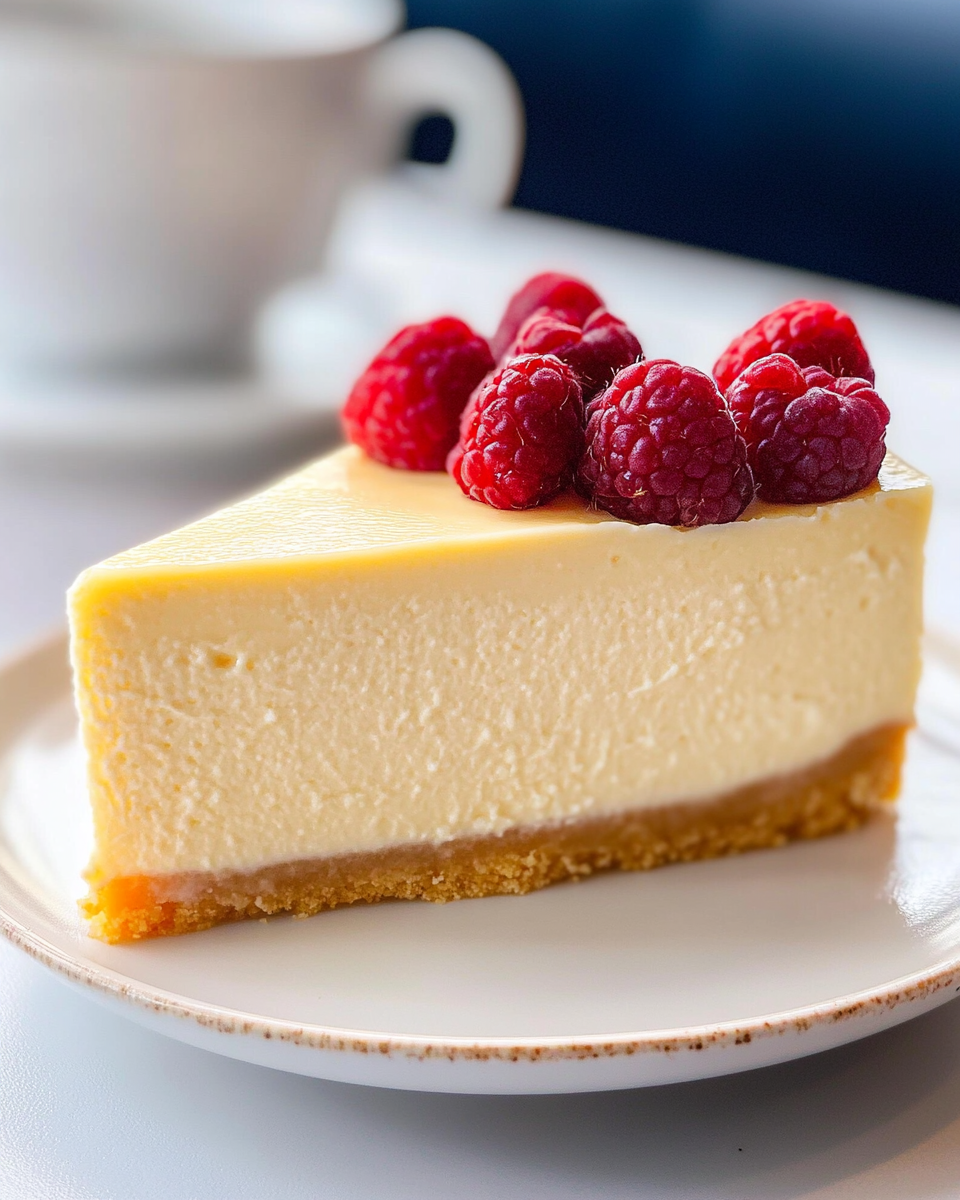
Classic New York cheesecake is a beloved dessert known for its rich, creamy texture and tangy flavor. Often enjoyed at celebrations or as a comforting treat, this cheesecake stays true to its roots with simple yet high-quality ingredients. Making it from scratch allows you to adapt the flavors and achieve the perfect balance in every slice.
This cheesecake features a crumbly graham cracker crust that beautifully contrasts with the smooth filling. Understanding each step in the preparation process ensures your cheesecake turns out perfectly. Whether you're an experienced baker or a novice, this recipe will guide you to create a timeless dessert that impresses friends and family.
Ingredients
- 2 cups graham cracker crumbs
Graham cracker crumbs form the base of the crust. Their sweet flavor and crumbly texture provide a delicious contrast to the creamy filling. - 1/2 cup unsalted butter (melted)
Butter acts as a binding agent for the crust, helping it hold together while also contributing richness and flavor. - 1 cup granulated sugar
Sugar sweetens the cheesecake and enhances the flavors of the other ingredients, balancing the richness. - 4 packages (8 oz each) cream cheese (softened)
Cream cheese is the star of the cheesecake filling, providing that signature creaminess and tang. It must be at room temperature for smooth blending. - 1 teaspoon vanilla extract
Vanilla extract adds depth and complexity to the flavor profile of the cheesecake, enhancing the overall taste. - 4 large eggs
Eggs provide structure and stability, helping the cheesecake set properly while also contributing to its richness. - 1/4 cup sour cream
Sour cream adds tanginess and moisture, resulting in a creamier texture while balancing the sweetness. - 1 tablespoon all-purpose flour
Flour helps stabilize the filling, preventing it from cracking and ensuring a smooth texture, especially during baking.
Directions & Preparation
Step 1: Prepare the crust by mixing graham cracker crumbs and melted butter.
Combining the graham cracker crumbs with melted butter creates a cohesive mixture. Ensure the crumbs are evenly coated for a consistent texture. Once mixed, press firmly into the bottom of a springform pan, creating an even layer that will hold together during cooking.
Step 2: Preheat the oven to 350°F (175°C).
Preheating the oven is crucial as it ensures that your cheesecake cooks evenly from the get-go. A properly heated oven allows the cheesecake to set without overcooking the edges.
Step 3: In a large mixing bowl, beat softened cream cheese until smooth.
Using room-temperature cream cheese is essential for creating a smooth filling without lumps. Beat it well to incorporate air, which will give the cheesecake a lighter texture.
Step 4: Add sugar and continue mixing until well combined.
Mixing in sugar at this stage helps dissolve it into the cream cheese, preventing a gritty texture in the final cheesecake. This step aids in achieving a creamy and luscious filling.
Step 5: Mix in the vanilla extract and sour cream.
Incorporating vanilla and sour cream adds flavor complexity and moisture, enhancing the cheesecake's richness. Make sure to blend them in thoroughly, as they contribute significantly to the taste.
Step 6: Add eggs one at a time, mixing well after each addition.
Adding eggs individually helps maintain the mixture's smoothness. This gradual incorporation prevents overmixing, which can lead to cracks in the cheesecake during baking.
Step 7: Fold in the flour gently to avoid overmixing.
Flour helps stabilize the cheesecake filling. Folding it in instead of mixing helps retain the air incorporated from the eggs, keeping the cheesecake light.
Step 8: Pour the filling over the prepared crust and smooth the top.
Pouring the filling onto the crust should be done carefully to prevent disturbing the crust. Smoothing the top of the filling ensures even baking and an attractive presentation.
Step 9: Bake in the preheated oven for 50-60 minutes.
Baking the cheesecake at this temperature helps it set gradually. Check for doneness; the edges should be firm while the center remains slightly jiggly, as it will firm up upon cooling.
Step 10: Turn off the oven and leave the cheesecake inside for 1 hour.
Allowing the cheesecake to cool in the oven with the door slightly ajar prevents sudden temperature changes, which can cause cracks. This gentle cooling process helps set the texture.
Step 11: Remove from oven and let it cool completely at room temperature before refrigerating.
Cooling at room temperature before chilling helps develop flavors and achieve the perfect consistency. Refrigerating the cheesecake for at least four hours before serving is crucial for flavor and texture.
Step 12: Slice, serve, and enjoy your classic cheesecake!
Cutting the cheesecake when chilled allows for clean slices and proper presentation. Pair with fruit or a drizzle of chocolate for an added touch.
Achieving the Perfect Crust
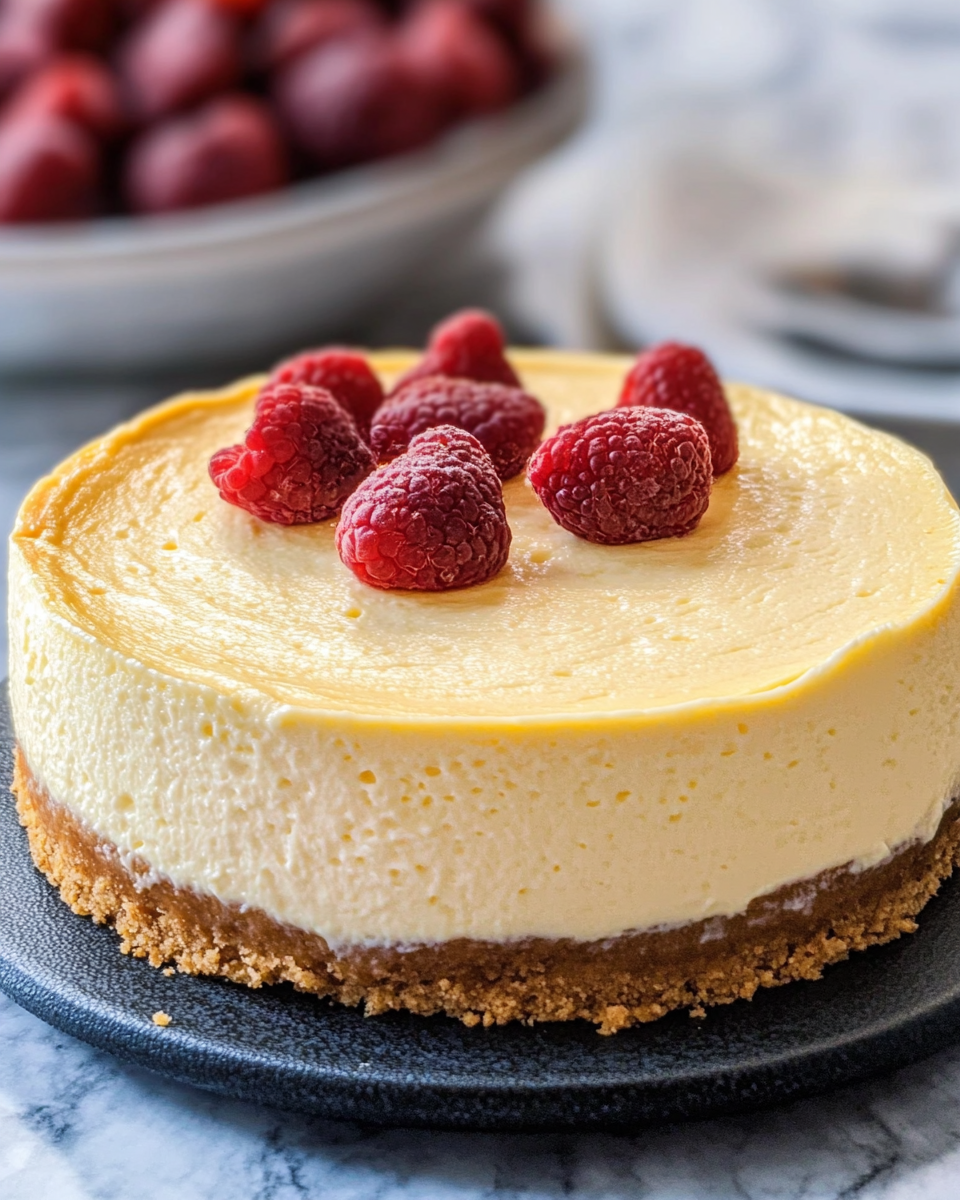
A well-made crust is essential for a great cheesecake. Use fresh graham crackers for optimal flavor and texture, and don’t skip the melting of butter, as it helps bind the crumbs together. Pressing the mixture firmly into the pan ensures that it holds its shape during baking, creating a solid foundation for the creamy filling.
Secret to a Smooth Filling
For the smoothest cheesecake filling, it's crucial to use room temperature cream cheese. This simple step helps prevent lumps, allowing for a Velvety texture. Additionally, incorporating ingredients gradually—like eggs—helps maintain that desirable smoothness, ensuring each slice is a delightful experience.
Chilling: The Key to Perfection
Cooling the cheesecake in the oven is an often-overlooked step. It prevents sudden temperature changes that can lead to cracks on the surface. After removing it from the oven, let it cool to room temperature before refrigerating. Chilling for several hours or overnight lets flavors develop fully and enhances the texture.
FAQs
What can I do if my cheesecake cracks during baking?
Cracking often occurs from rapid temperature changes. To prevent this, avoid overmixing and use a water bath during baking.
Why is my cheesecake too dense?
A dense cheesecake may result from overmixing the batter. Incorporate eggs gently and ensure you don't whip air into the mixture.
Can I use a different crust than graham crackers?
Yes, using digestive biscuits or even Oreo cookies can add unique flavors and textures to your cheesecake.
What should I do if my cheesecake is too sweet?
If your cheesecake ends up overly sweet, incorporate a bit of sour cream or lemon juice to balance the flavors.
How can I enhance the flavor of my cheesecake?
Adding citrus zest, like lemon or orange, can brighten the flavor profile, or experiment with extracts such as almond or hazelnut.
Can I use low-fat cream cheese for a lighter version?
You can substitute low-fat cream cheese, but keep in mind it may alter the texture and creaminess of the cheesecake.
Conclusion
Creating a classic New York cheesecake at home is a rewarding experience. With the perfect balance of ingredients and attention to detail in preparation, you can enjoy an authentic dessert that brings joy on any occasion.
Celebrate with your own homemade cheesecake and share this timeless treat with loved ones. With each slice, you’ll embrace the creamy goodness that defines this classic dessert.
Recipe Card
Notes
Additional serving suggestions: pair with a crisp salad, garlic bread, or roasted seasonal vegetables for balance.
For make-ahead, prep components separately and assemble just before heating to preserve texture.
Taste and adjust with acid (lemon/vinegar) and salt right at the end to wake up flavors.