Introduction
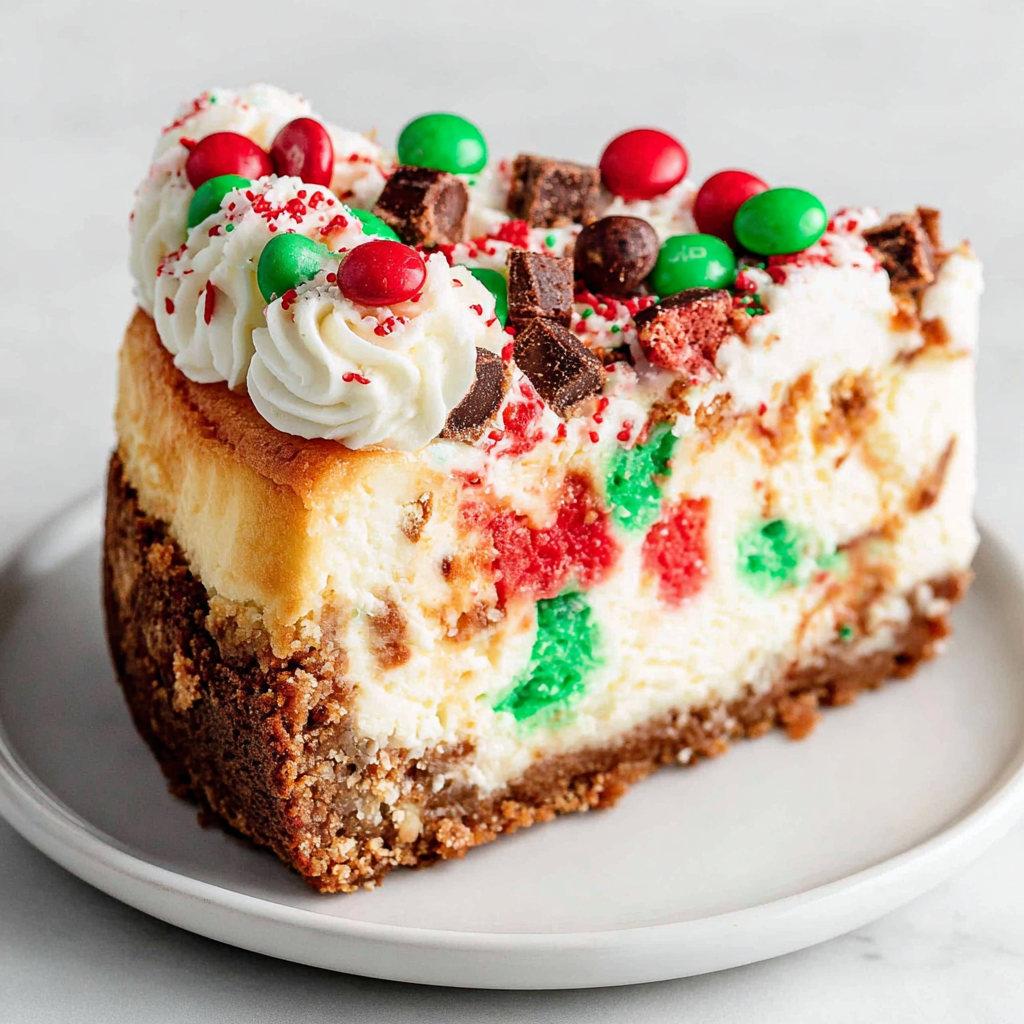
The holiday season brings with it a wealth of traditions, flavors, and dishes that fill our hearts and homes with joy. Among these festive treats, a luscious Christmas cheesecake stands out as a centerpiece that combines creamy richness with seasonal flair. This dessert not only showcases the essence of holiday celebrations but also serves as a delightful way to conclude any Christmas feast.
Infused with seasonal spices, rich flavors, and a touch of festive creativity, this cheesecake has the power to impress both family and guests alike. Whether it's the silky texture or the harmonious blend of ingredients, every bite evokes the warmth and comfort of this special time of year. Prepare to dive into a recipe that will surely become a cherished tradition for your holiday gatherings.
Ingredients
- 2 cups graham cracker crumbs
Graham cracker crumbs form the base of the cheesecake crust, providing a slightly sweet and crunchy texture that complements the creamy filling. They also add a nostalgic flavor reminiscent of classic cheesecakes. - 1/2 cup unsalted butter, melted
Butter binds the graham cracker crumbs together, creating a firm and rich crust. It also adds a buttery flavor that enhances the overall taste of the cheesecake. - 3 (8 oz) packages cream cheese, softened
Cream cheese is the star ingredient of any cheesecake, giving it that iconic velvety texture and rich flavor. Softer cream cheese ensures ease of blending, resulting in a smooth filling. - 1 cup granulated sugar
Sugar sweetens the cheesecake, balancing the tanginess of the cream cheese. It also contributes to the silky texture, helping to create a cohesive mixture when beaten. - 1 teaspoon vanilla extract
Vanilla extract infuses the cheesecake with warmth and depth, enhancing the overall flavor. It's an essential ingredient that elevates the taste experience, making every bite memorable. - 3 large eggs, room temperature
Eggs provide structure and stability to the cheesecake filling. Room temperature eggs blend more uniformly, giving the filling a smooth consistency and preventing cracks during baking. - 1 cup sour cream
Sour cream adds a delightful tang, balancing the sweetness of the cheesecake and providing richness. It also helps in achieving a creamy texture while keeping the dessert from being overly dense. - 1 teaspoon ground cinnamon
Ground cinnamon introduces a warm, aromatic flavor that embodies the spirit of the season. It complements the creaminess of the filling and enhances the overall festive essence. - 1/2 teaspoon ground nutmeg
Nutmeg adds a subtle, nutty warmth and depth to the flavor profile, making the cheesecake feel special and particularly suitable for Christmas. - 1 cup cranberries, fresh or frozen
Cranberries provide a tart, refreshing contrast to the rich cheesecake, creating a balance that tantalizes the palate. They can be used as a topping, offering a seasonal touch that enhances presentation.
Directions & Preparation
Step 1: Preheat the oven to 325°F (163°C).
Preheating the oven is crucial for ensuring that your cheesecake bakes evenly. Starting with a properly heated oven helps the cheesecake rise and set correctly, preventing issues like a sunken center or uneven texture.
Step 2: Prepare the crust by mixing graham cracker crumbs and melted butter in a bowl.
Combining the graham cracker crumbs with melted butter allows for thorough blending, ensuring that the mixture holds together well when pressed into the pan. This step creates a firm and flavorful base that provides stability to the cheesecake.
Step 3: Press the crumb mixture into the bottom of a springform pan, ensuring an even layer.
Firmly pressing the crust mixture helps it compact, forming a solid base that will support the creamy filling. An even layer also ensures consistent texture and flavor in every slice, enhancing the overall enjoyment of the dessert.
Step 4: In a large mixing bowl, combine softened cream cheese and granulated sugar until smooth.
Blending cream cheese with sugar until smooth is essential for eliminating lumps and achieving a silky texture. This step lays the foundation for a creamy filling, creating a pleasant mouthfeel in the final cheesecake.
Step 5: Add eggs one at a time, mixing well after each addition. Then incorporate vanilla extract, cinnamon, and nutmeg.
Incorporating eggs slowly ensures they mix thoroughly without overbeating, which can introduce excess air and lead to cracks. Adding spices and vanilla during this step enhances flavor and aroma, making your cheesecake distinctly seasonal.
Step 6: Stir in the sour cream until fully incorporated and the mixture is consistently smooth.
Sour cream adds depth and tanginess to the filling while smoothing out the texture. This step is vital in creating a rich, well-balanced cheesecake that harmonizes the sweet and tangy flavors.
Step 7: Pour the filling over the prepared crust, smoothing the top with a spatula.
Pouring the filling gently and smoothing it with a spatula ensures that the surface is even, which helps in even baking and results in an aesthetically pleasing final product. A smooth top also minimizes the chances of cracking as it bakes.
Step 8: Bake the cheesecake in the preheated oven for 50-60 minutes, until set but slightly jiggly in the center.
Baking until the center is slightly jiggly is key for a perfectly set cheesecake; this will firm up as it cools. It's important not to overbake, as a firm filling can lead to a dense texture.
Step 9: Turn off the oven and leave the cheesecake inside for an additional hour to cool gradually.
Cooling the cheesecake gradually in the oven helps prevent sudden temperature changes that can cause cracking. This step is crucial for a smooth and beautiful surface, enhancing the final presentation.
Step 10: Remove the cheesecake and let it cool at room temperature before refrigerating for at least four hours or overnight.
Allowing the cheesecake to cool at room temperature before refrigeration prevents condensation that can make the surface wet. Chilling it overnight enhances the flavors, making it a truly delightful dessert.
Step 11: Top with fresh cranberries before serving, if desired.
Topping with cranberries not only adds color and vibrancy to the cheesecake but also introduces a burst of tartness that complements the sweetness of the filling. This final touch elevates the holiday aesthetic and flavor profile.

Spiced Flavor Enhancements
Adding spices like cinnamon and nutmeg is essential when crafting a seasonal cheesecake. These spices not only evoke the warmth and richness associated with Christmas but also serve to enhance the depth of the flavors in the dessert. Experimenting with variations, such as incorporating ginger or allspice, can provide a delightful twist that complements the creamy filling and crust.
Garnishing with Seasonal Fruits
Using fresh cranberries or other seasonal fruits as a topping elevates the presentation of your cheesecake significantly. Their vibrant colors contrast beautifully against the creamy filling, making the dessert visually appealing. Additionally, they introduce a tartness that balances the sweetness, creating a harmonious flavor experience that will impress any holiday gathering.
The Perfect Serving Tips
When serving your Christmas cheesecake, consider slicing it in advance to create an inviting display for guests. Keeping the slices evenly sized not only makes it easier for everyone to enjoy a piece but also adds an elegant touch to your dessert table. Using a warm knife helps achieve clean cuts, enhancing the overall presentation of this festive treat.
FAQs
What should I do if my cheesecake cracks during baking?
To prevent cracks, avoid overmixing the filling and ensure you don't overbake the cheesecake. If cracks occur, they can be covered with fresh cranberries or a dusting of powdered sugar.
Can I use low-fat cream cheese for this recipe?
Yes, you can use low-fat cream cheese, though the texture may not be as rich. Consider balancing it with a bit more sour cream to maintain creaminess.
How can I adjust the sweetness of the filling?
If you find the filling too sweet, you can reduce the sugar slightly. Alternatively, balancing it with a more tart fruit topping can help enhance flavors together.
What should I do if my cheesecake is too dense?
If your cheesecake turns out dense, ensure you don't overmix and try to incorporate more air when blending the ingredients. Additionally, check if extra sour cream can provide a lighter texture.
Is there a way to layer different flavors into the cheesecake?
Yes, consider swirling in fruit purees or melted chocolate into the filling before baking for added flavor layers. This can create a beautiful marbling effect as well.
What if I want to make a chocolate layer in my cheesecake?
You can melt chocolate and fold it into the cheesecake mixture prior to baking. Ensure it's mixed thoroughly for an even chocolate distribution.
How can I make the crust more flavorful?
To boost the flavor of your crust, add a tablespoon of sugar or mix in crushed nuts or spices along with the graham cracker crumbs.
Would adding more eggs help with setting?
More eggs can make the cheesecake firmer, but it's essential not to use too many, as that can alter the texture. Stick to the recipe for best results.
Conclusion
Creating a Christmas cheesecake is a rewarding endeavor that brings the spirit of the holidays right to your table. The combination of flavors and the creamy texture is sure to create delightful memories during festive gatherings.
As you enjoy this delicious cheesecake, remember that the connections made over food and the warm atmosphere are what truly make the holidays special. Embrace the joy of sharing this scrumptious dessert, and let it become a staple in your holiday traditions.
Recipe Card
Notes
Additional serving suggestions: pair with a crisp salad, garlic bread, or roasted seasonal vegetables for balance.
For make-ahead, prep components separately and assemble just before heating to preserve texture.
Taste and adjust with acid (lemon/vinegar) and salt right at the end to wake up flavors.