Introduction
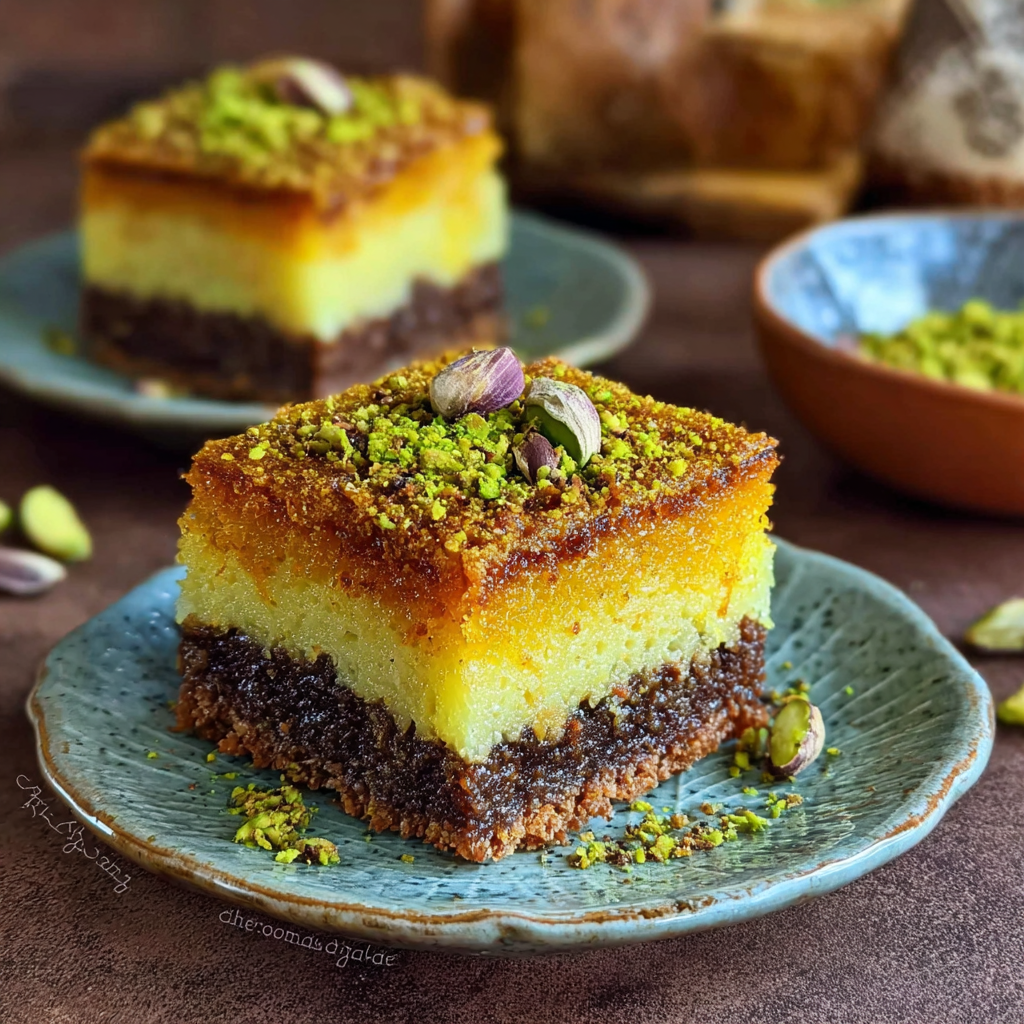
A sponge cake is a classic dessert loved for its light texture and versatility. Combining it with creamy Biscoff spread elevates this simple treat to a whole new level, making it a perfect addition to any celebration.
This recipe balances moist sponge cake with the unique caramelized flavor of Biscoff, along with light cream to create a delicious treat that is sure to impress family and friends. Follow along to create a delightful dessert that boasts both elegance and comfort.
Ingredients
- 4 large eggs
Eggs are the backbone of sponge cake, providing structure and richness. They help in creating a light airy texture when whisked properly. - 1 cup granulated sugar
Sugar not only sweetens the cake but also helps achieve a tender crumb by incorporating air into the batter during the mixing process. - 1 cup all-purpose flour
Flour serves as the main component, providing the necessary gluten structure for the cake. It's vital to sift it to avoid lumps and ensure even distribution. - 1/2 cup unsalted butter, melted
Butter adds flavor and moisture, contributing to the cake's tenderness. Using unsalted butter allows you to control the salt content in your recipe. - 1/4 cup Biscoff spread
Biscoff spread infuses the cake with a uniquely spiced flavor and adds moisture. Its creamy texture enriches the overall taste and ties the dessert together. - 1 cup heavy cream
Heavy cream is whipped to create a light frosting that complements the cake's texture. Its high fat content helps achieve a stable whipped cream. - 2 tablespoons powdered sugar
Powdered sugar sweetens the whipped cream, providing a smooth consistency. It's finer than granulated sugar, which allows it to dissolve easily. - 1 teaspoon vanilla extract
Vanilla extract enhances the flavors, bringing out the sweetness of the cake and cream. It adds a warm aromatic component that complements the Biscoff. - Pinch of salt
A small amount of salt balances the sweetness and enhances the overall flavor of the cake and cream.
Directions & Preparation
Step 1: Preheat your oven to 350°F (175°C).
Preheating your oven is essential for achieving an even bake. If the oven isn't hot enough when the batter is added, the cake may not rise properly, impacting texture.
Step 2: Prepare the cake pan with parchment paper.
Lining the pan with parchment paper or greasing it properly prevents sticking, ensuring the cake releases cleanly after baking. This is crucial to preserve the cake's structure.
Step 3: In a mixing bowl, whisk together the eggs and sugar until light and fluffy.
Whisking eggs and sugar incorporates air, which is vital for the leavening process in sponge cakes. Lightening the mixture to a pale color indicates it's ready.
Step 4: Sift in the flour and gently fold it into the mixture.
Folding rather than mixing helps retain the air you've whipped in, maintaining the cake's lightness. Sifting flour also eliminates lumps and aerates it.
Step 5: Incorporate the melted butter and Biscoff spread, folding gently.
Gently folding in these ingredients enriches the batter without deflating it. The butter adds moisture while the Biscoff provides flavor and richness.
Step 6: Pour the batter into the prepared pan and bake for 25-30 minutes.
Baking at the right temperature for the right time is crucial for a sponge cake. Test for doneness by gently pressing the top; it should spring back.
Step 7: Allow the cake to cool in the pan for 10 minutes, then transfer to a wire rack.
Cooling the cake initially in the pan helps set its structure, but moving it to a wire rack prevents it from becoming soggy and allows it to cool evenly.
Step 8: While the cake cools, whip the heavy cream with powdered sugar and vanilla until stiff peaks form.
Whipping cream to stiff peaks ensures your frosting is stable and easy to spread. Too soft a consistency may result in it collapsing upon application.
Step 9: Once the cake is completely cool, spread a layer of whipped cream on top and drizzle with Biscoff spread.
This adds an indulgent layer of flavor that complements the sponge perfectly. Make sure the cake is cool to prevent the cream from melting.
Step 10: Serve and enjoy your creation!
Savour the moment as you cut into this delightful cake. Consider pairing it with fresh fruit or a cup of coffee for a truly comforting experience.

Perfecting the Sponge Texture
Achieving the ideal sponge texture can be a challenge, but it’s essential for a successful cake. The key lies in properly aerating the eggs and sugar mixture. The light and fluffy consistency not only contributes to the cake's rise but also allows it to absorb the flavors from the Biscoff, resulting in a moist and flavorful experience.
Elevating with Biscoff Drizzle
The Biscoff drizzle adds an extra layer of indulgence that transforms this cake from ordinary to extraordinary. As the creamy spread melts slightly into the whipped cream, it enhances each bite with its distinct spices. Feel free to adjust the amount of Biscoff drizzle based on your personal taste preference for a richer flavor.
Whipping Techniques for the Perfect Cream
Achieving the right consistency in whipped cream is crucial for presentation and taste. For a stable whipped cream, ensure your mixing bowl and beaters are cold, which helps in whipping to stiff peaks quickly. Avoid overwhipping, as it can lead to a grainy texture, detracting from the cake's smooth finish.
FAQs
What if my sponge cake didn't rise?
If your sponge didn't rise, it could be due to underwhipping the egg and sugar mixture, or possibly stale ingredients. Ensure eggs are fresh and properly aerated.
Can I use a different spread instead of Biscoff?
Yes, you can substitute with other cookie spreads, but the flavor will differ. Consider options like Nutella or almond butter for unique tastes.
Why did my cream not whip up properly?
If your cream isn't whipping, check that you're using heavy cream and that your bowl and utensils are cold. Warm tools can inhibit the aeration process.
My sponge cake is too dense; what happened?
A dense cake could result from overmixing the batter or adding too much flour. It’s important to fold ingredients gently to retain air.
Is there a way to make my cake more flavorful?
Incorporate a teaspoon of your favorite extract, like almond or maple, into the batter or add zests from citrus fruits to enhance flavor.
What can I do to make the whipped cream sweeter?
If you desire a sweeter whipped cream, consider adding more powdered sugar gradually until you reach your preferred sweetness.
Conclusion
Creating a Biscoff and cream sponge cake is a rewarding culinary adventure that will delight your taste buds. With its light texture complemented by a rich, flavorful spread, this cake strikes the perfect balance between simple and indulgent.
Share it with loved ones or enjoy a slice with your afternoon tea, and watch as it becomes a cherished recipe in your personal collection. Happy baking!
Recipe Card
Notes
Additional serving suggestions: pair with a crisp salad, garlic bread, or roasted seasonal vegetables for balance.
For make-ahead, prep components separately and assemble just before heating to preserve texture.
Taste and adjust with acid (lemon/vinegar) and salt right at the end to wake up flavors.