Introduction
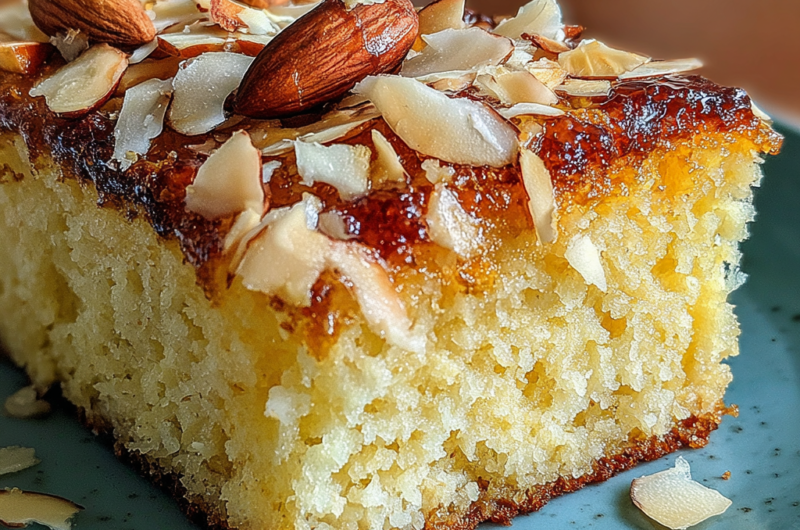
Coconut Almond Cake is a treat that elegantly blends two delightful flavors. With its moist crumb and inviting aroma, this cake is perfect for any occasion, be it a cozy family gathering or a festive celebration. The combination of coconut and almond creates a unique taste profile that is sure to impress.
This recipe invites you to explore the delightful textures and flavors that coconut and almond bring to a classic cake. Whether you're an experienced baker or a novice eager to hone your skills, making this cake will leave you with a sense of accomplishment and a sweet reward to share.
Ingredients
- 2 cups all-purpose flour
All-purpose flour provides the structure for the cake. Its moderate protein content ensures the cake achieves the right balance of lightness and density. - 1 cup granulated sugar
Sugar not only sweetens the cake but also helps in creating a moist texture as it retains water during baking. It also contributes to the browning of the cake's crust. - 1/2 cup unsweetened shredded coconut
Shredded coconut adds texture and a rich tropical flavor to the cake. It provides moisture and enhances the overall coconut experience. - 1/2 cup almond flour
Almond flour introduces a nutty depth and moisture to the cake. Its fat content keeps the cake tender and enriches the flavor profile. - 1 cup unsalted butter, softened
Butter adds richness and flavor while helping to create a tender crumb. The creaming process incorporates air, leading to a lighter cake. - 3 large eggs
Eggs act as a binding agent and provide moisture. They also contribute to the cake's structure and help with leavening. - 1 cup milk
Milk hydrates the dry ingredients while adding richness to the cake. It helps in creating a soft crumb. - 1 tablespoon baking powder
Baking powder is a leavening agent that helps the cake rise and become fluffy. It is essential for achieving the right texture. - 1 teaspoon vanilla extract
Vanilla enhances the overall flavor profile, blending beautifully with the coconut and almond to create a harmonious taste. - 1/2 teaspoon salt
Salt elevates the flavors of the other ingredients. It balances the sweetness and enhances the overall taste experience.
Directions & Preparation
Step 1: Preheat your oven to 350°F (175°C).
Preheating the oven ensures that your cake starts baking immediately when placed inside, which helps in achieving even cooking. Skipping this step can lead to uneven texture.
Step 2: Grease and flour two 9-inch round cake pans.
Properly greasing and flouring the pans prevents the cake from sticking, ensuring a smooth release once baked. This step is crucial for maintaining the cake's shape and presentation.
Step 3: In a mixing bowl, cream the softened butter and granulated sugar until light and fluffy.
Creaming butter and sugar aerates the mixture, creating a lighter texture in your cake. This process also helps to dissolve the sugar, contributing to a smooth batter.
Step 4: Add the eggs one at a time, mixing well after each addition.
Incorporating eggs gradually allows for better emulsification, leading to a more stable batter. This is key for achieving a uniform texture throughout the cake.
Step 5: Mix in the vanilla extract.
Adding vanilla at this stage infuses the batter with its aroma and flavor. This enhances the overall taste profile of the cake, making it more enjoyable.
Step 6: In a separate bowl, combine the flour, almond flour, baking powder, and salt.
Combining the dry ingredients ensures even distribution of the leavening agent and salt. This step is essential for achieving uniform rising across the cake.
Step 7: Gradually add the dry ingredients to the butter mixture, alternating with the milk, starting and ending with the dry ingredients.
Adding the dry ingredients alternately with the milk helps maintain the consistency of the batter. This method ensures that the mixture remains smooth and lump-free.
Step 8: Fold in the shredded coconut.
Gently folding in the coconut maintains the lightness of the batter while adding texture and flavor. It ensures that you don't deflate the rising agents all your hard work.
Step 9: Divide the batter evenly between the prepared pans and smooth the tops.
Even distribution of the batter prevents uneven baking and ensures that both layers rise consistently. Smoothing the tops helps achieve a flat surface for easy stacking.
Step 10: Bake in the preheated oven for 25-30 minutes, or until a toothpick inserted in the center comes out clean.
Baking to the right time is crucial for achieving the perfect sponge. Opening the oven too soon can cause the cake to deflate, so checking doneness is important.
Step 11: Allow the cakes to cool in the pans for 10 minutes before transferring them to a wire rack.
Cooling in the pans allows the cakes to set and makes them easier to handle. Transferring them too quickly can result in breakage.
Step 12: Once cooled completely, frost with your choice of icing or enjoy plain.
Applying frosting when the cake is cool prevents melting and contributes to a better appearance and flavor. Depending on your preference, a simple glaze or buttercream can elevate the experience.

Choosing the Right Coconut
When selecting shredded coconut for your Coconut Almond Cake, opt for unsweetened varieties to maintain control over the sweetness of your cake. Fresh coconut can offer a more intense flavor, but dried coconut is convenient and provides reliable results. Each type will contribute to the cake's texture, so choose one that fits your taste preference.
Enhancing Almond Flavor
To boost the almond flavor in your cake, consider adding a splash of almond extract to the batter. This adds depth and complements the almond flour beautifully. Toasting the almond flour lightly before adding it will also enhance its nutty notes, delivering a more complex and rounded flavor profile in your finished cake.
Serving Suggestions
Serving Coconut Almond Cake is simple yet elegant. Pair it with a light coconut whipped cream for a refreshing contrast, or drizzle a light glaze made from powdered sugar and coconut milk for added sweetness. Garnishing with toasted coconut or slivered almonds will elevate its presentation and add a delightful crunch to every bite.
FAQs
What can I do if my cake is too dense?
If your cake turns out dense, it may be due to over-mixing. Ensure to mix just until combined, and consider checking your baking powder's freshness, as old leavening agents can affect the rise.
Can I substitute coconut oil for butter?
Yes, you can substitute coconut oil for butter in equal amounts. This change will enhance the coconut flavor, though the texture may be slightly different.
What if my batter is too thick?
If your batter appears too thick, add a small amount of milk, one tablespoon at a time, until it reaches a pourable consistency. This ensures a balanced texture without compromising the cake's structure.
What flavor variations can I try?
Feel free to experiment by adding zest from lemons or limes for a citrus twist or incorporating chocolate chips for a richer take. Always adjust the sugar accordingly.
How can I tell if the cake is fully baked?
To check for doneness, insert a toothpick into the center of the cake. If it comes out clean or with a few moist crumbs, the cake is done. If it has batter sticking to it, bake for a few more minutes.
Is it possible to use sweetened coconut instead?
While sweetened coconut can be used, it will increase the cake's overall sweetness. Adjust the granulated sugar accordingly to maintain a balanced flavor.
Conclusion
Baking a Coconut Almond Cake is not only rewarding but a delightful way to impress family and friends. The unique combination of coconut and almond offers a refreshing twist on traditional cake flavors. With a few simple ingredients and steps, you can create a memorable dessert that shines at any gathering.
Share your creation with loved ones, and enjoy the smiles it brings. Whether it’s a celebration or just a regular day, this cake has the charm to transform an ordinary moment into an extraordinary one.
Recipe Card
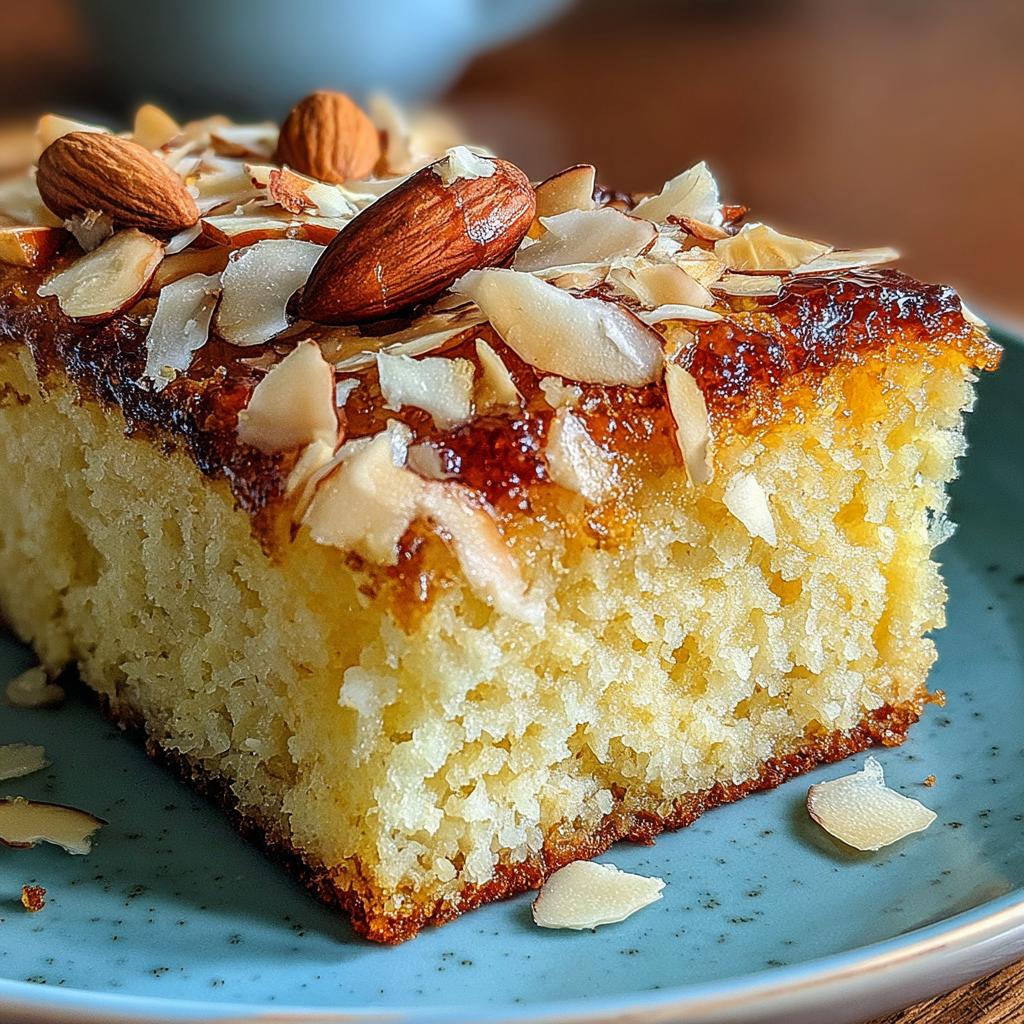
Delightful Coconut Almond Cake Recipe
Ingredients
Method
- Preheat your oven to 350°F (175°C).
- Grease and flour two 9-inch round cake pans.
- In a mixing bowl, cream the softened butter and granulated sugar until light and fluffy.
- Add the eggs one at a time, mixing well after each addition.
- Mix in the vanilla extract.
- In a separate bowl, combine the flour, almond flour, baking powder, and salt.
- Gradually add the dry ingredients to the butter mixture, alternating with the milk, starting and ending with the dry ingredients.
- Fold in the shredded coconut.
- Divide the batter evenly between the prepared pans and smooth the tops.
- Bake in the preheated oven for 25-30 minutes, or until a toothpick inserted in the center comes out clean.
- Allow the cakes to cool in the pans for 10 minutes before transferring them to a wire rack.
- Once cooled completely, frost with your choice of icing or enjoy plain.
Notes
Additional serving suggestions: pair with a crisp salad, garlic bread, or roasted seasonal vegetables for balance.
For make-ahead, prep components separately and assemble just before heating to preserve texture.
Taste and adjust with acid (lemon/vinegar) and salt right at the end to wake up flavors.