Introduction
Napa cabbage, with its tender leaves and mild flavor, is a staple in many Asian dishes and a versatile ingredient for home cooks. Whether you're preparing a vibrant stir-fry or a crisp salad, knowing how to cut napa properly can make all the difference in presentation and cooking time.
This guide will provide you with easy techniques for cutting napa cabbage, ensuring that your dishes not only look appealing but also cook evenly. You’ll discover simple methods that suit various culinary needs, whether you're a novice or an experienced chef.
Cutting napa cabbage doesn’t have to be a daunting task; with the right approach and a few tips, you'll master the skill in no time. Let’s explore how to prepare this crunchy vegetable with confidence.
Ingredients
- 1 medium napa cabbage (about 2 pounds)
Napa cabbage is the star of this guide, and its delicate leaves are perfect for stir-frying, salads, and soups. This versatile vegetable has a slightly sweet flavor and crisp texture that can enhance a variety of dishes. - 1 tablespoon of salt
Salt is essential for seasoning the cabbage during the cutting process. It helps draw out moisture, making the leaves easier to handle and ensuring they remain fresh and flavorful. - Fresh herbs or scallions (optional)
Herbs like cilantro or scallions add a burst of flavor to any dish featuring napa. They are often used as a garnish or incorporated into recipes to complement the mildness of the cabbage.
Directions & Preparation
Step 1: Clean the napa cabbage under cold water.
Rinsing your napa cabbage helps remove any dirt or pesticides that may linger on the leaves. Make sure to inspect the folds, as debris can hide in these crevices. After cleaning, pat the cabbage dry with a kitchen towel to prepare for cutting.
Step 2: Remove the core of the cabbage.
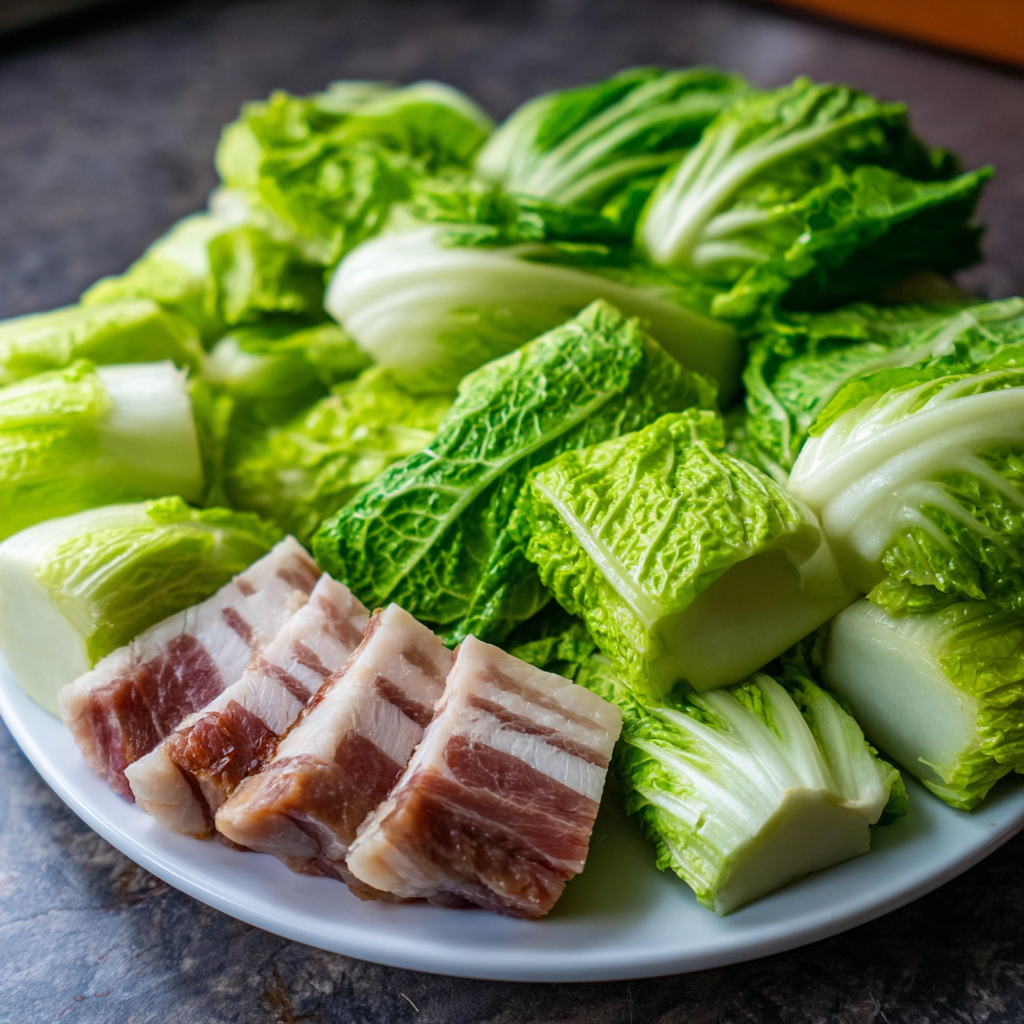
To effectively cut napa cabbage, you'll want to cut out the dense core. Lay the cabbage on its side and slice downward along the core to release the leaves. This ensures that you only get the tender parts for your dishes, while also making it easier to work with.
Step 3: Cut the leaves into desired sizes.
Depending on your recipe, you can slice the leaves into strips, chunks, or maintain whole leaves. Cutting into uniform sizes ensures even cooking and a visually appealing presentation. For stir-fries, aim for bite-sized pieces; for salads, consider larger, more rustic cuts.
Step 4: Toss or sprinkle with salt, if desired.
After cutting, you can sprinkle the napa pieces with salt to enhance the flavor and help soften the leaves. This step is especially useful if you're making a salad, as it draws out excess water and prevents the dish from becoming soggy.
Step 5: Incorporate into your dish as needed.
Now that your napa cabbage is cut and seasoned, it’s ready to be added to soups, stir-fries, or salads. Remember that cooking times for napa cabbage will vary according to the dish, so add it at the appropriate time to maintain its texture and flavor.

Transforming Napa into a Crunchy Salad Base
Napa cabbage shines brightly when used as the base for a fresh salad. Its crisp texture and mild flavor pair well with a variety of dressings, making it an ideal choice. Toss it with citrus vinaigrette, nuts, and other vibrant vegetables to create a colorful and nutritious side dish, perfect for summer barbecues or weeknight dinners.
Napa Cabbage in Stir-Fry: A Quick Cooking Delight
For a quick and delicious dinner, napa cabbage can be the star of your stir-fry. Cut into strips, it cooks rapidly, absorbing the flavors of soy sauce, garlic, and ginger beautifully. The high heat of stir-frying keeps the leaves tender yet crisp, providing a satisfying crunch that enhances any protein or veggie combination.
Soups That Benefit from Napa's Flavor
Incorporating napa cabbage into soups brings a delightful depth to the broth. The leaves soften and release their natural sweetness during cooking, enriching the flavors. Chop napa into bite-sized pieces before adding it to simmering broths, letting it add a satisfying texture that balances heartiness with its inherent lightness.
FAQs
What’s the best way to store cut napa cabbage?
Store cut napa cabbage in an airtight container in the refrigerator for up to 3 days to maintain freshness.
Can I cut napa cabbage the day before I use it?
Yes, cutting napa a day ahead can save time, but make sure to store it properly with a damp paper towel to keep it crisp.
How can I ensure my napa cabbage doesn’t become too wilted in salad?
To prevent wilting, avoid over-salting napa cabbage. Toss gently and serve immediately after preparing for the best texture.
What if my stir-fried napa cabbage turns out too soggy?
If your stir-fried napa is soggy, you might have used too much water or cooked it for too long. Try cooking it over higher heat and keeping cooking times short.
Can I substitute napa cabbage with regular green cabbage in recipes?
You can substitute napa with green cabbage, but the flavor and texture will differ. Napa is more tender and sweeter.
What can I do if I have leftover napa cabbage after preparation?
Leftover napa can be stored in the fridge and used in soups, stir-fries, or salads within a few days.
Conclusion
Mastering the art of cutting napa cabbage can elevate your home cooking, making vegetable prep swift and enjoyable. The tips provided here empower you to incorporate this wonderful ingredient into a variety of dishes, enhancing both flavor and nutrition.
With its versatility and ease of preparation, napa cabbage is a fantastic addition to any kitchen. So don’t hesitate to experiment with this delightful vegetable in your meals, and enjoy the delicious results.
Recipe Card
Notes
Additional serving suggestions: pair with a crisp salad, garlic bread, or roasted seasonal vegetables for balance.
For make-ahead, prep components separately and assemble just before heating to preserve texture.
Taste and adjust with acid (lemon/vinegar) and salt right at the end to wake up flavors.