Introduction
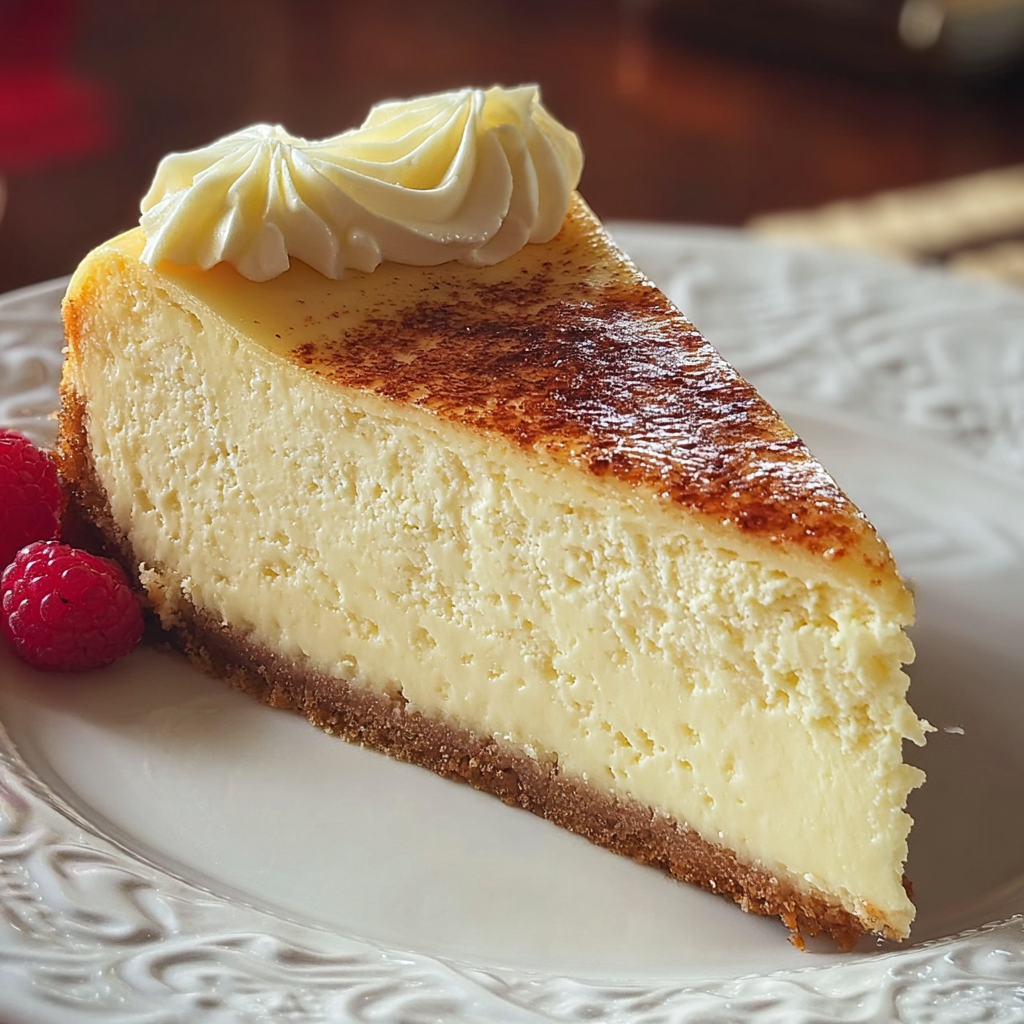
New York-style cheesecake is a dessert that boasts rich flavors and an iconic creamy texture. This cheesecake dates back to the early 20th century, becoming a staple in New York City delicatessens. Its unique taste and consistency set it apart from other cheesecakes around the world.
The secret to this legendary dessert lies in its simple yet high-quality ingredients. Unlike other versions, this cheesecake relies on cream cheese as the hero, delivering a luscious mouthfeel that leaves an unforgettable impression. Whether served plain or topped with fruit or chocolate, it's a dessert that never goes out of style.
Ingredients
- 2 pounds cream cheese, softened
Cream cheese is the star of the show in this classic recipe. Its smooth texture and mild tang provide the foundation for the cheesecake, giving it that rich and creamy consistency that New York-style cheesecakes are famous for. - 1 cup granulated sugar
Sugar balances the tanginess of the cream cheese and contributes to the overall sweetness of the cheesecake. It helps to enhance flavors and achieve the desired velvety texture. - 1 tablespoon vanilla extract
Vanilla extract adds warmth and depth to the flavor profile; its aromatic notes complement the cream cheese perfectly. Using high-quality extract makes a noticeable difference. - 4 large eggs
Eggs serve as a binder in the cheesecake, providing structure while also adding moisture. They help create the cheesecake's dense, custard-like texture that is characteristic of New York cheesecakes. - 1 cup sour cream
Sour cream contributes a slight tang and creaminess that enhances the overall flavor. It also helps keep the cheesecake moist and adds a richness that is hard to replicate. - 1/2 cup graham cracker crumbs
Graham cracker crumbs are used for the crust, providing a sweet, crumbly texture that complements the creamy filling. They create a delightful contrast and an inviting crunch. - 1/4 cup unsalted butter, melted
Melted butter helps bind the graham cracker crumbs together, creating a cohesive crust that holds its shape when serving. It also adds richness and flavor. - Pinch of salt
A pinch of salt enhances the overall flavor, balancing the sweetness and elevating the taste of the cheesecake without overpowering the other ingredients.
Directions & Preparation
Step 1: Preheat your oven to 350°F (175°C).
Preheating the oven is crucial for ensuring an even baking temperature throughout the cooking process. It allows the cheesecake to rise properly and prevents it from being undercooked.
Step 2: Prepare the crust by combining graham cracker crumbs, melted butter, and a pinch of salt in a bowl.
Mixing the crumbs with butter and salt forms a wet sand-like mixture that will hold together when pressed into the pan. Ensuring even distribution of the butter throughout the crumbs is key to a cohesive crust.
Step 3: Press the mixture firmly into the bottom of a springform pan, then set aside.
Pressing the mixture firmly creates a stable base that will support the filling. Don't skip this step; a well-formed crust prevents the cheesecake from crumbling when sliced.
Step 4: In a large mixing bowl, beat the softened cream cheese until smooth and creamy, about 2-3 minutes.
Properly softening the cream cheese is essential for a lump-free filling. Beating it until smooth also incorporates air, which contributes to a light and fluffy texture.
Step 5: Gradually add the sugar and vanilla extract, mixing until well combined.
Adding sugar slowly prevents clumping and allows for even integration into the cream cheese. This step enhances the sweetness while still maintaining that luxurious texture.
Step 6: Add the eggs one at a time, mixing well after each addition.
Incorporating the eggs one at a time ensures that they blend smoothly into the batter without over-mixing, which can lead to cracks. Each egg adds structure and creaminess to the filling.
Step 7: Mix in the sour cream until fully incorporated, ensuring a smooth batter.
Sour cream enriches the mixture while providing a slight tang that balances the sweetness. Mixing it well ensures a consistent texture throughout the cheesecake.
Step 8: Pour the batter over the crust in the springform pan, smoothing the top with a spatula.
Pouring the batter gently onto the crust helps avoid disrupting the crust layer beneath. Smoothing the top ensures an even bake and an attractive finish.
Step 9: Bake in the preheated oven for 50-60 minutes, or until the edges are set but the center slightly jiggles.
Baking until the edges are set while leaving the center slightly jiggly is crucial for achieving the right texture. Overbaking can lead to cracks and a dry cheesecake.
Step 10: Turn off the oven and leave the cheesecake inside for an additional hour, letting it cool gradually.
This slow cooling process helps prevent sudden temperature changes, which can cause cracks. It allows for a creamy texture and reduces the risk of shrinkage as it cools.
Step 11: Remove from the oven and refrigerate for at least 4 hours or overnight before serving.
Chilling the cheesecake is essential for developing flavor and achieving the perfect texture. Patience here pays off; a well-chilled cheesecake slices cleanly and tastes better.

Achieving the Perfect Creaminess
The hallmark of a New York-style cheesecake is its velvety smoothness, which is achieved by carefully blending ingredients. Begin with room-temperature cream cheese to facilitate easier mixing. The goal is to incorporate air into the batter, creating a light, fluffy texture, so be gentle as you blend in the eggs and sour cream, avoiding overbeating.
Creating a No-Fail Crust
A solid crust is the foundation of a great cheesecake. Make sure the graham cracker crumbs are finely crushed to ensure they blend well with the melted butter. Press the mixture firmly yet evenly into the base of your springform pan. This not only prevents crumbling when cutting your slices but also provides an enjoyable contrast to the creamy filling.
Toppings to Elevate Your Cheesecake
While a traditional New York-style cheesecake stands beautifully on its own, toppings can add an extra layer of flavor and visual appeal. Consider a simple berry compote for a fresh, tangy twist or a drizzle of chocolate ganache for indulgent richness. Remember that toppings should complement, not overpower, the cheesecake’s natural flavors.
FAQs
What should I do if my cheesecake cracks during baking?
Cracks can result from overbaking or rapid temperature changes. To avoid this, monitor the baking time carefully and ensure to cool the cheesecake gradually.
Can I substitute cream cheese with a low-fat version?
Using low-fat cream cheese may change the consistency and flavor. It's best to stick with regular cream cheese for optimal results.
What if my cheesecake filling is too thick?
If your filling is too thick, it may be difficult to pour. You can mix in a little extra sour cream or a splash of milk to achieve a smoother consistency before baking.
How can I tell when my cheesecake is done baking?
The cheesecake is done when the edges are firm and the center has a slight jiggle. It will continue to set as it cools outside the oven.
Why does my cheesecake taste bland?
A bland cheesecake often results from insufficient sugar or flavorings. Ensure to measure accurately and consider adding more vanilla or citrus zest for an enhanced flavor.
Is it possible to scale down the recipe for a smaller cheesecake?
Yes, you can reduce the ingredients proportionally to fit a smaller pan, but baking times may vary, so check for doneness regularly.
Conclusion
Classic New York-style cheesecake is not just a dessert; it’s a beloved tradition that can bring warmth to any gathering. With its creamy filling and crumbly crust, this cheesecake embodies the spirit of indulgence and celebration.
Whether enjoyed plain or dressed up with toppings, it holds a special place in the hearts of many. Creating this timeless dessert at home allows you to experience the joy of baking while delighting your family and friends with a taste of culinary history.
Recipe Card
Notes
Additional serving suggestions: pair with a crisp salad, garlic bread, or roasted seasonal vegetables for balance.
For make-ahead, prep components separately and assemble just before heating to preserve texture.
Taste and adjust with acid (lemon/vinegar) and salt right at the end to wake up flavors.


