Introduction
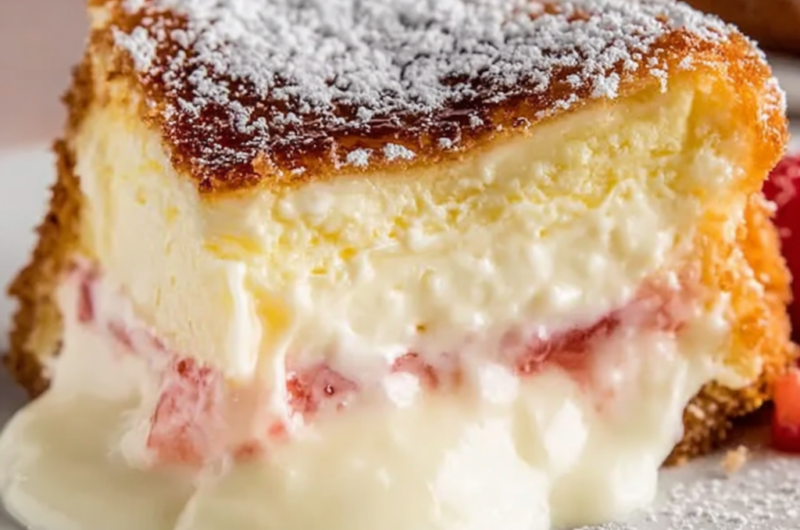
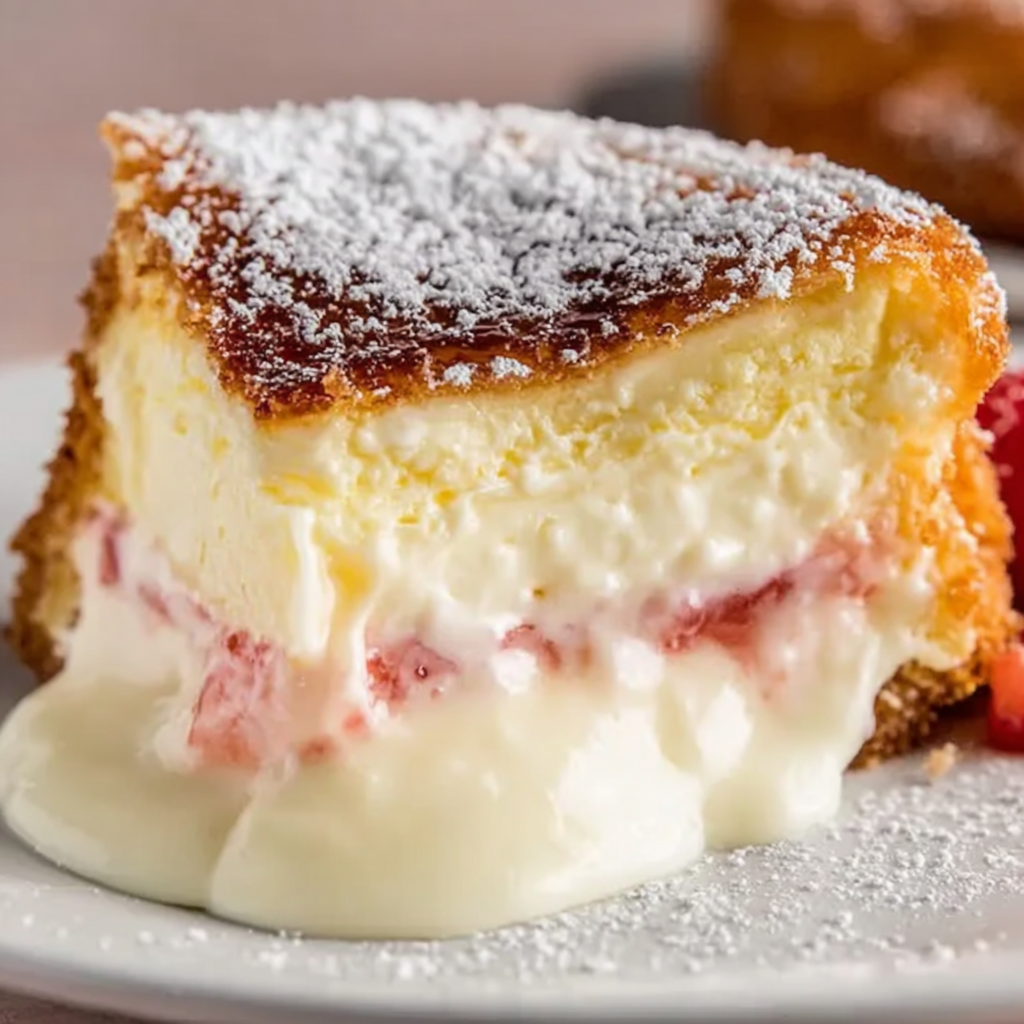
Deep-fried cheesecake is a culinary bliss that elevates the traditional dessert to a whole new level. This decadent treat adds a satisfying crunch to the creamy, rich filling, making it an enticing choice for gatherings or special occasions.
Imagine a slice of creamy cheesecake enveloped in a crisp, golden batter, served warm with an irresistible dipping sauce. This indulgent combination entices you to dig in for another bite, as the contrasting textures work in harmony.
Ingredients
- 8 oz cream cheese, softened
Cream cheese provides the base for the cheesecake filling, contributing to its creamy texture and rich flavor. The softness allows for easy blending with other ingredients, ensuring a smooth filling. - 1/2 cup sugar
Sugar adds sweetness to the cheesecake, balancing the tangy flavor of the cream cheese. It also aids in the browning of the batter during frying, enhancing the overall flavor and appearance. - 1 tsp vanilla extract
Vanilla extract enhances the flavor profile of the cheesecake, providing a warm, aromatic element that complements the richness of the cream cheese. - 2 large eggs
Eggs act as a binding agent, helping the cheesecake filling to set and maintain its structure. They also contribute to the creaminess and richness of the cheesecake. - 1 cup flour
Flour serves as the main component in the batter, providing structure and stability during frying. It forms a protective layer around the cheesecake, sealing in moisture and flavor. - 1/2 tsp baking powder
Baking powder adds leavening to the batter, helping it achieve a light and airy texture when fried, contributing to that perfect crispiness. - 1 cup breadcrumbs
Breadcrumbs provide an additional crunch when deep-frying. They create a textured outer layer that contrasts beautifully with the smooth cheesecake filling. - Oil for frying (vegetable or canola)
The oil must reach the right temperature for frying, ensuring that the cheesecake cooks evenly and develops a golden-brown exterior without becoming overly greasy. - Powdered sugar for dusting (optional)
Powdered sugar adds an elegant touch as a finishing flourish. It enhances the visual appeal while providing a hint of sweetness to balance the richness of the cheesecake.
Directions & Preparation
Step 1: Prepare the cheesecake filling by mixing cream cheese, sugar, and vanilla.
Start by beating the softened cream cheese until creamy and smooth. Gradually add sugar and vanilla extract, and continue mixing until fully combined. This step is crucial as it creates a flavorful and uniform filling that forms the heart of the cheesecake, ensuring each bite is consistently rich and indulgent.
Step 2: Incorporate eggs one at a time until fully blended.
Adding eggs one at a time helps the mixture emulsify properly, creating a smooth and consistent filling. This step ensures that each egg is fully absorbed, preventing any curdling or separation in the final product. It also adds richness and assists in setting the filling during cooking.
Step 3: Chill the filling in the refrigerator for at least an hour.
Chilling the filling allows it to firm up, making it easier to scoop and form into balls. This step enhances the flavor by allowing the ingredients to meld together while ensuring the cheesecake maintains its shape when fried.
Step 4: Form small balls from the chilled filling and place them on a baking sheet.
Using a spoon or your hands, shape the chilled cheesecake filling into small balls, which should be about 1-2 inches in diameter. This shapes the individual servings, making them ready for the batter and subsequent frying. It’s essential that these balls are evenly sized for consistent cooking.
Step 5: Prepare the batter by combining flour, baking powder, and enough water to create a smooth consistency.
Whisk together flour and baking powder, adding water gradually until the batter reaches a pancake-like consistency. This batter is crucial for coating the cheesecake; it should be thick enough to adhere but not so thick that it obscures the filling. The right consistency will ensure a perfect outer layer once fried.
Step 6: Preheat the oil in a deep fryer or heavy pot to 350°F (175°C).
Proper oil temperature is critical for achieving a perfect deep-fried cheesecake. If the oil is too cool, the batter will absorb more oil and become soggy; if too hot, it will burn before the filling is cooked. A thermometer is a reliable tool for maintaining the desired temperature.
Step 7: Dip each cheesecake ball into the batter and carefully lower it into the hot oil.
Coating the cheesecake balls in batter before frying ensures they have that distinctive crunch. Make sure each ball is fully covered to protect the filling from leaking out during cooking. Carefully lowering them into the oil prevents splashing and maintains the oil temperature.
Step 8: Fry until golden brown, about 3-4 minutes, turning as needed.
Monitor the frying process closely, turning the cheesecake balls to ensure even cooking. The goal is to achieve a uniform golden-brown color on all sides. This step not only develops the texture but also enhances the flavor through caramelization.
Step 9: Remove from oil and drain on paper towels before dusting with powdered sugar (if using).
After frying, draining the cheesecake balls on paper towels removes excess oil, resulting in a less greasy final product. Dusted with powdered sugar, these cheesecake delights become visually appealing and add a touch of sweetness to the crispy exterior.

Cheesecake Variations
Explore different flavors by infusing your cheesecake filling with ingredients like lemon zest or chocolate chips. Experimenting with flavors can transform this recipe into assorted treats that cater to various tastes, from fruity to nutty. Each variation opens up enticing possibilities, making deep-fried cheesecake a versatile dessert.
Serving Enhancements
To elevate your deep-fried cheesecake experience, consider pairing it with sauces like chocolate, caramel, or berry coulis. These sauces not only add visual appeal but also enhance the taste through contrasting flavors and textures. A drizzle can transform your dish into a gourmet dessert sure to impress your guests.
Troubleshooting Common Issues
If your filling is too thick or thin, it can affect the texture and cooking time. A thick mixture might not hold its shape, while a thin one could leak oil during frying. Adjusting ingredient ratios or allowing the filling to chill longer can help achieve the perfect consistency that leads to a flawless frying experience.
FAQs
Can I use a different type of cheese for the filling?
While cream cheese is traditional for the best texture, mascarpone or ricotta can be used, though it may alter the flavor and consistency.
What if my batter is too thick?
You can gradually add a little water to thin it out until you reach the desired pancake-like consistency for coating.
Is there a way to make them smaller or larger?
Absolutely! Adjust the size of the cheesecake balls before frying; just be mindful that cooking time will vary based on size.
What dishes complement deep-fried cheesecake?
Serve alongside fresh fruit, ice cream, or a drizzle of chocolate sauce for contrasting flavors and a dimension of indulgence.
Why did my cheesecake ooze out during frying?
If the filling is too warm or the batter is not thick enough, the filling may leak. Ensure both are at the right temperature and consistency.
Can I customize the coating for the cheesecake?
Yes! You can experiment with different coatings like crushed nuts, coconut flakes, or even cookie crumbs for added texture.
Conclusion
Deep-fried cheesecake is an adventurous spin on a beloved dessert that satisfies the palate in unique ways. With the right ingredients and careful preparation, this indulgent treat can be the crown jewel of any dessert table.
Whether for a gathering or a cozy night in, this dessert promises to leave you and your guests enchanted. Enjoy the process as much as the result, and don't hesitate to make it your own.
Recipe Card
Indulgent Deep Fried Cheesecake Recipes to Savor
Ingredients
Method
- Prepare the cheesecake filling by mixing cream cheese, sugar, and vanilla.
- Incorporate eggs one at a time until fully blended.
- Chill the filling in the refrigerator for at least an hour.
- Form small balls from the chilled filling and place them on a baking sheet.
- Prepare the batter by combining flour, baking powder, and enough water to create a smooth consistency.
- Preheat the oil in a deep fryer or heavy pot to 350°F (175°C).
- Dip each cheesecake ball into the batter and carefully lower it into the hot oil.
- Fry until golden brown, about 3-4 minutes, turning as needed.
- Remove from oil and drain on paper towels before dusting with powdered sugar (if using).
Notes
Additional serving suggestions: pair with a crisp salad, garlic bread, or roasted seasonal vegetables for balance.
For make-ahead, prep components separately and assemble just before heating to preserve texture.
Taste and adjust with acid (lemon/vinegar) and salt right at the end to wake up flavors.